
IN-HOUSE MATERIAL MODIFICATION · PRECISION TOOLING · INSERT MOLDING
Vertically Integrated Manufacturing Built Around Your Critical Motor Tolerances
In motor and transformer manufacturing, a ±0.02mm slot deviation, a microscopic parting-line burr, or improper resin crystallization can cause wire enamel damage and dielectric failure. At RUNHENG, we eliminate outsourcing risks by keeping polymer modification, micron-level EDM mold making, and automated injection/insert molding entirely under one roof—turning complex 2D/3D drawings into repeatable, zero-defect production.
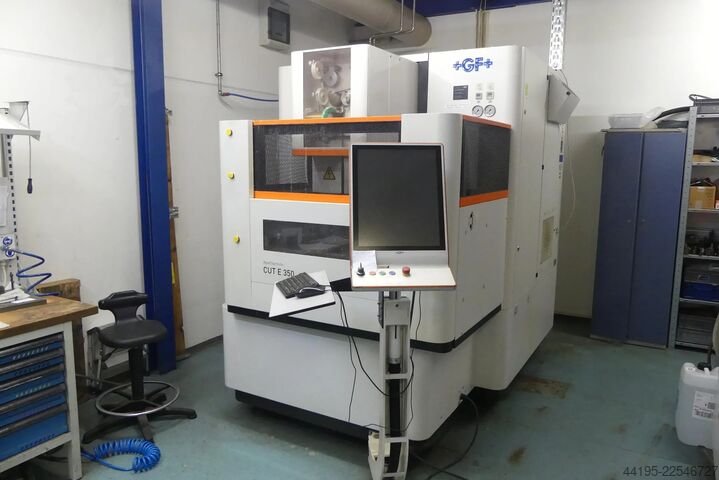
✓ Zero Outsourced Tooling (Charmilles & Sodick Equipped)
✓ Down to 0.12mm Ultra-Thin-Wall & 200°C+ Resin Control
✓ ±0.02mm Tolerance Across 50+ Automated Lines
CHOOSE A STARTING POINT
Which Route Fits Your Requirement?
The manufacturing route is evaluated for each project. Use these starting points to frame the discussion.
Your Requirement
High-Temp & Thin-Wall Motor Insulation
Manufacturing Route
Precision Injection Molding + Material Modification
What We Control
Down to 0.12mm ultra-thin-wall filling, UL94 V-0 flame retardancy, CTI ≥ 600V, and 200°C+ thermal stability using modified PPS, LCP, PA46 & PA66.
Your Requirement
Metal Core + Plastic Integration
Manufacturing Route
Insert Molding & Stator Overmolding
What We Control
High-adhesion metal-plastic infiltration, stator slot encapsulation, lead screw concentricity, and splined brass bushing pull-out torque.
Your Requirement
Replacing Heavy/Costly CNC Metal Parts
Manufacturing Route
Metal-to-Plastic Conversion Engineering
What We Control
Direct in-mold forming of internal hollow-shaft threads, splines, and structural flanges—requiring zero secondary machining.
01 / Precision Injection Molding
High-Temp Thin-Walled & Structural Injection Molding
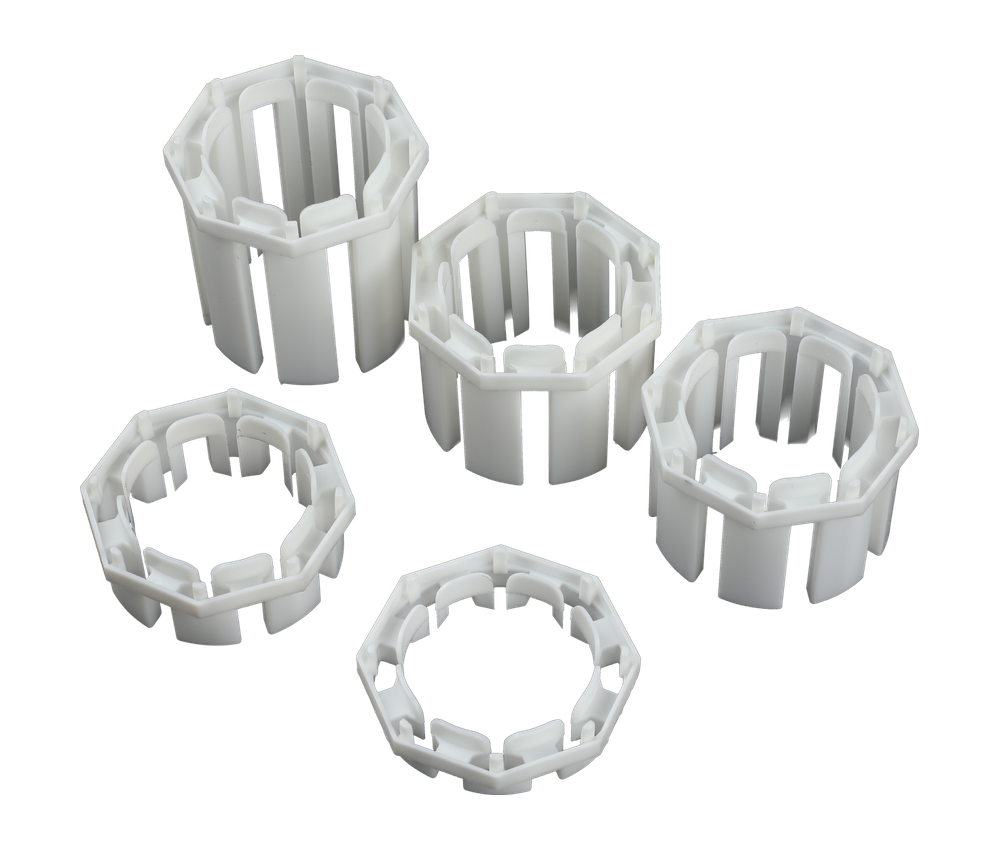
Equipped with 50+ precision injection molding machines paired with closed-loop mold temperature controllers and robotic post-processing arms.
• Mastery of special engineering plastics: PPS, LCP, PA46, PA66+GF, and Phenolic (Bakelite).
• Repeatable ±0.02mm dimensional accuracy for bearing bores and winding slots.
• Defect rate strictly controlled at ≤ 50 PPM with 220M+ pcs annual output.
View Bobbins & Covers →02 / Insert Molding & Overmolding
Stator Encapsulation & Metal Insert Overmolding
Replaces manual assembly by bonding high-adhesion modified polymers directly onto silicon-steel stators, stainless lead screws, and brass bushings.
• Eliminates rotation, delamination, and axial looseness under vibration.
• 100% full inspection on internal threads, splines, and shaft coaxiality.
• Superior electrical insulation and thermal dissipation for high-voltage motors.
View Overmolded Parts →COMPONENT REVIEW
Three Critical Engineering Factors in Stator & Insert Overmolding
Discuss molding coverage, exposed interfaces and positioning using the part or drawing for your project.
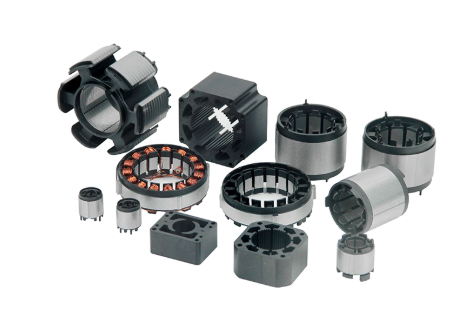
01. Metal Insert Tolerance & Pre-Heating
Controlling silicon-steel lamination stack height and pre-heating metal inserts to prevent mold flash and plastic thermal stress cracking.
02. High-Adhesion Polymer Selection
Matching thermal expansion coefficients between metal cores and modified PPS/PA66 to guarantee zero delamination during -40°C to 200°C+ cycling.
03. Coaxiality & High-Pot Sealing
Precision fixture locating ensures accurate rotor bore concentricity while achieving CTI ≥ 600V dielectric breakdown protection.
300+ MOLD SETS DEVELOPED ANNUALLY
Micron-Level In-House Tooling Center (Charmilles & Sodick Equipped)
All molds are designed, machined, and maintained in-house—ensuring zero manual cavity polishing, burr-free parting lines, and fast mold modification.
Swiss Charmilles Slow-Speed Wire EDM
Micron-level machining for ultra-thin bobbin inserts, complex snap-fit contours, and angled slots. Guarantees extreme dimensional stability and zero surface defects.
Japanese Sodick Electrical Discharge Machine (EDM)
Specializes in deep cavities, sharp internal corners, complex thin ribs, and undercut structures with ultra-low electrode wear and lasting precision.
CNC Mirror-Finish EDM
Achieves mirror-grade cavity surfaces requiring ZERO manual polishing. Ensures smooth part demolding, zero burrs on wire channels, and no sink marks.
High-Speed CNC Milling Center
High-speed precision milling for hardened mold cores and complex 3D curved surfaces with minimal cutting deformation and fine grain engraving.
High-Speed Micro-Hole EDM
Dedicated micro-bore machining for wire-threading holes, precision mold venting micro-slots, and ejector pin holes without hole clogging or shifting.
Medium-Speed Wire EDM & Rapid Prototyping
High-efficiency machining for mold bases, sliders, and fixtures—supporting rapid T1 mold trials (2–4 weeks) and low-cost insert modifications.
SCALE, AUTOMATION & TURNAROUND
In-House Tooling Speed & High-Volume Molding Capacity
300+ Molds / Yr
15–25 business days for new T1 mold samples; 7–10 days for core/insert modifications.
50+ Molding Lines
Horizontal high-speed presses & vertical rotary-table overmolding machines with servo robotics.
Up to 220M Parts/Yr
Flexible scheduling from 500-pc engineering pilot runs to multi-million annual OEM programs.
100% In-House Loop
Polymer modification, Charmilles/Sodick EDM tooling, molding, and QC under one 7,000 m² roof.
COST-DOWN & LIGHTWEIGHTING ENGINEERING
Metal-to-Plastic Conversion Assessment
Replacing CNC-machined aluminum or steel motor components with glass-fiber reinforced PPS, PA66, or LCP composites—cutting unit costs by 30%–50% and reducing weight by half.
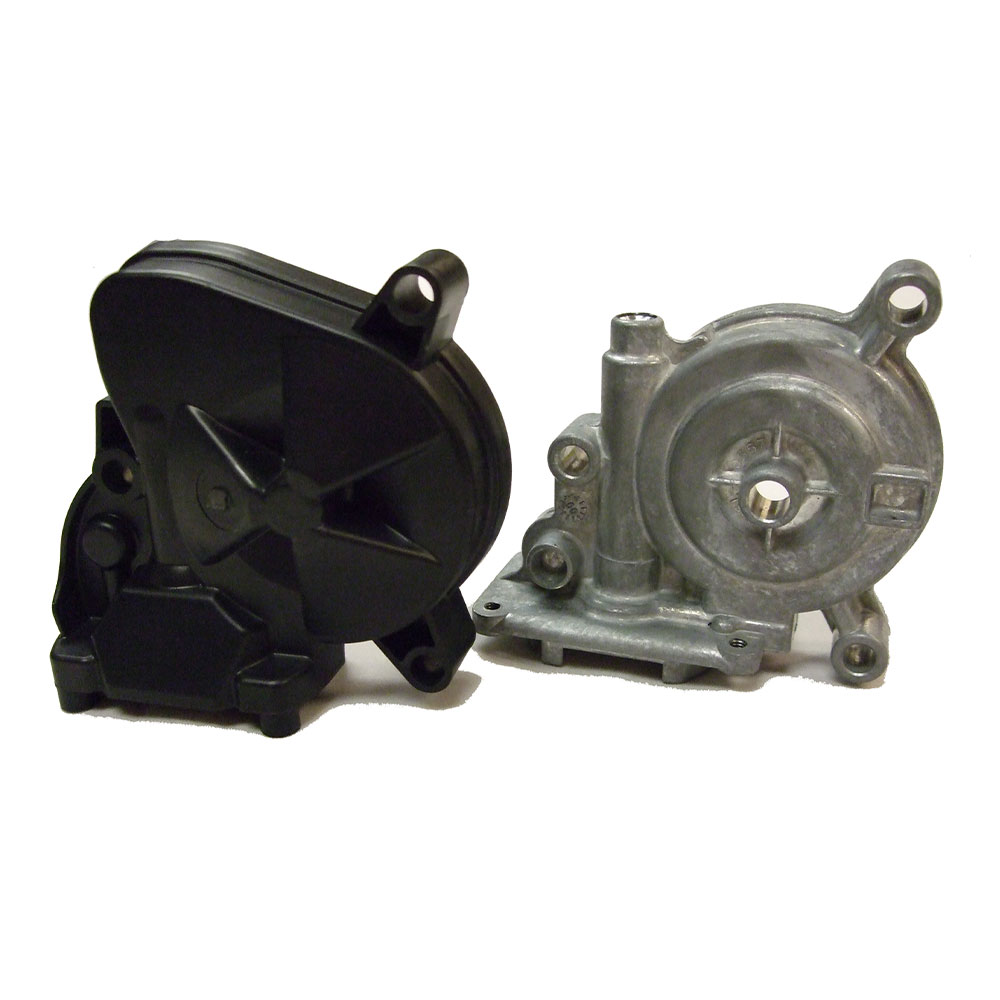
01. Zero Secondary Machining
In-mold integral forming of internal threads, splines, and flanges eliminates CNC tapping and milling.
02. Self-Lubricating & Quiet
Optimized friction coefficients reduce gear/shaft running noise and cushion motor vibration.
03. Structural Strength via Ribs
Custom reinforcing rib geometry and brass insert overmolding maintain high torque and load capacity.
04. Corrosion & Dielectric Safety
100% rust-proof, chemical-resistant, and electrically insulating for harsh automation environments.
DIRECT ENGINEERING SUPPORT
Have a 2D/3D Drawing or Sample to Review?
Email your component drawing (STEP, IGES, DWG, PDF), target application, material requirements, and estimated annual volume. Our engineering team will respond within 24 hours with DFM feedback and tooling/unit pricing.
✓ Free Standard Stock Samples (Freight Collect)
✓ 24-Hour Engineering DFM & Quote Response
✓ 100% NDA Confidentiality Protection
Send Your 2D/3D Drawing or Sample Request
Fill out the project specs below or attach your CAD files. Our engineering team responds within 24 business hours.